





- 01.12.2025 10:04
Energy from wastewater is not science fiction
Scientists of Tula State University have come closer to creating next-generation biosensors and biofuel cells by studying in detail the operating mechanism of microbial biofilms.
The formation and maintenance of microbial biofilms represent both a significant challenge and a valuable opportunity for modern biotechnology. Although biofilms are often associated with adverse effects such as infections and industrial biofouling, their ability to transport electrons outside the cell has opened up new possibilities for their use in microbial fuel cells and biosensors.
Tula State University scientists have been researching biosensors and their practical applications for many years. In recent years, thanks to modern equipment acquired through the "Priority 2030" strategic academic leadership program and scientific collaboration with leading Russian research organizations, it has become possible to conduct in-depth studies of the electroactivity mechanism of aerobic biofilms.
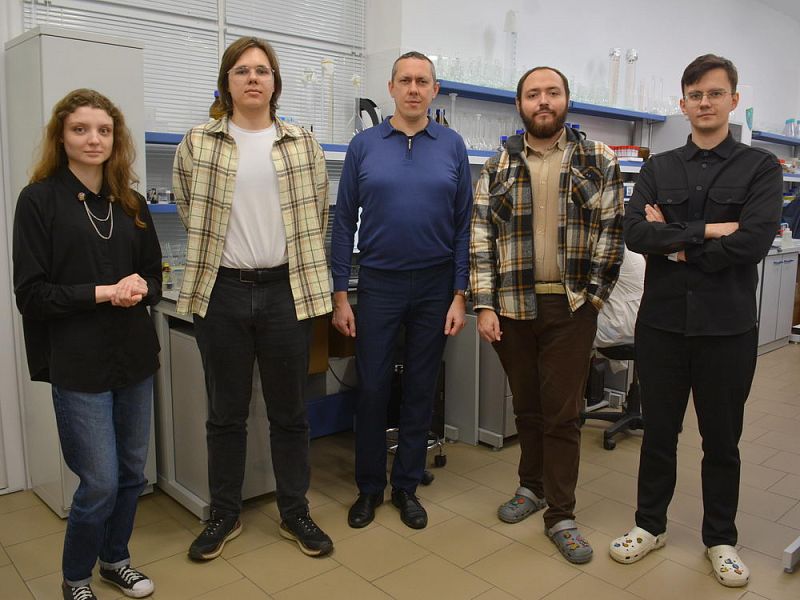
A research team led by Vyacheslav Alekseyevich Arlyapov, Doctor of Engineering Sciences and Head of the Laboratory of Biologically Active Compounds and Biocomposites and Director of the BioChemTechCenter at Tula State University, along with colleagues from the N.D. Zelinskiy Institute of Organic Chemistry of the Russian Academy of Sciences and Ryazan State Medical University, published an article in “Biosensors and Bioelectronics”, one of the highest-ranked journals in the field of bioelectrochemical systems, a specialized publication dedicated to the research, design, development, and application of biosensors and bioelectronics.
The paper "Electroactive Biofilms from Activated Sludge: A Detailed Study of Electron Transfer on Nanostructured Electrodes for Biosensors and Microbial Fuel Cells" presents new fundamental data on the mechanism of electroactivity in aerobic biofilms isolated from activated sludge and its enhancement using single-wall carbon nanotubes.
The authors studied the mechanism of electron transport in biofilms based on phenazine molecules, significantly expanding our understanding of the bioelectrochemical activity of aerobic microorganisms beyond classical models. This contribution significantly advances fundamental knowledge in the field of interactions between electroactive biofilms and nanomaterials, opening up new prospects for the use of aerobic microorganisms in bioelectrochemical systems.
“The ability of microbial films to generate electric current is well known, but now it's a complex and expensive process,” explained V.A. Arlyapov. “We used simple and readily available microorganisms that can be isolated from wastewater and grown on nanomaterials. This opened up the possibility of generating electricity through wastewater treatment. It's premature to discuss specific volumes, but even if they are sufficient to meet the needs of a specific sewage treatment plant, using simple and low-budget bioelectrochemical devices, such electric power could be considered useful, efficient, and, most importantly, modern and environmentally friendly.”
The research contributes to the development of next-generation biosensors and clean energy devices by combining biological activity with nanomaterial-enhanced interfaces.
https://www.sciencedirect.com/science/article/abs/pii/S0956566325010723?via%3Dihub
Dmitriy Litvinov
Photographs by Mikhail Gindin