





- 13.04.2026 09:05
TulSU scientists have developed a technology for creating carbon dioxide packages
The traditional way to purify the air that is released into the atmosphere by industrial enterprises is to capture carbon dioxide (CO2) and bury it. This approach is costly and not always effective, according to scientists at Tula State University.
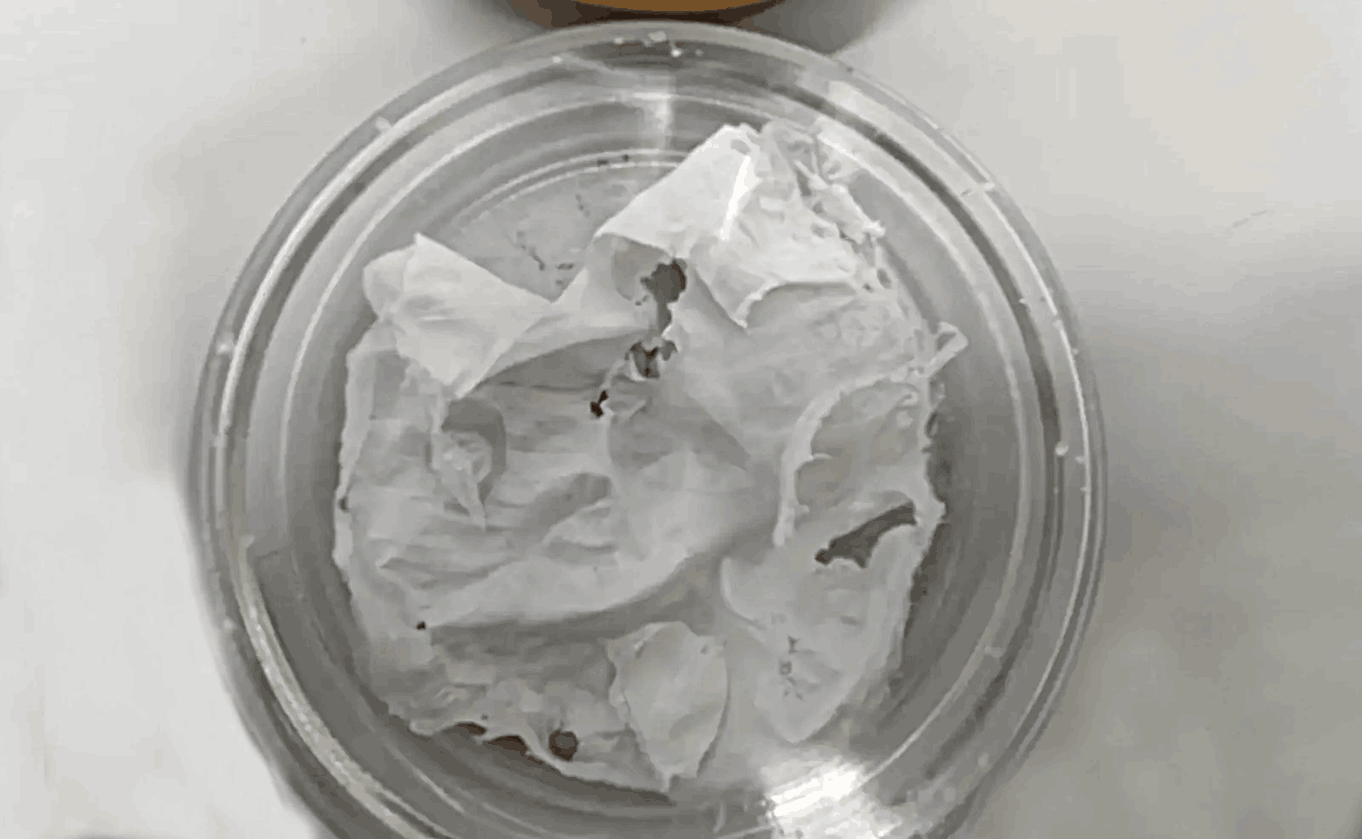
As an alternative way to reduce carbon dioxide emissions, TulSU experts suggested processing greenhouse gas into a material similar in properties to polyethylene.
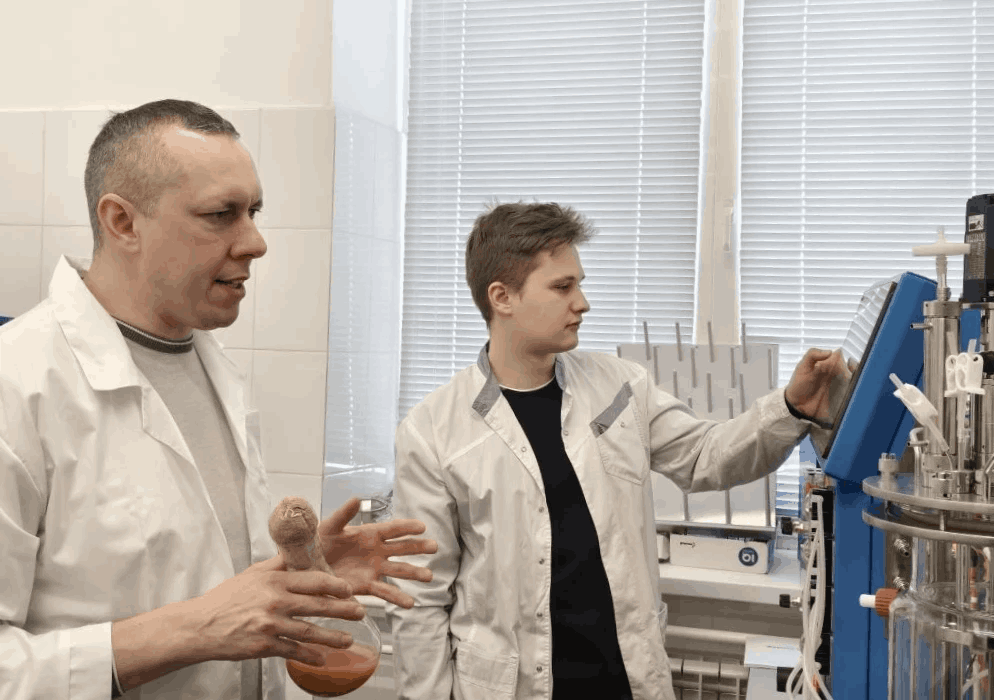
- At the first stage, carbon dioxide is processed using a catalyst into simple organic substances - formates, which are "captured" by specially selected bacteria. These microorganisms have the ability to produce polymers for storing nutrients, comparable in strength to conventional "packaged" polyethylene, explained Vyacheslav Alekseнevich Arlyapov, director of the TulSU Biochemtech Research Center.
According to him, one of the types of bacteria producing bio-packaging is the gram-negative bacterium Cupriavidus necator, for which the ability to store nutrients has been known for a long time. The scientist added that many other microbes "working" in the new technology belong to unique strains collected by TulSU specialists during field expeditions.
— The ability to "deposit" food in the form of a polymer sometimes occurs in bacteria that have developed in unfavorable environmental conditions, for example, in soils contaminated with heavy metals. We isolated 80 candidate microorganisms from environmental objects, but only three of them were able to produce "bio-packaging", emphasized V.A. Arlyapov.
The new technology will allow large enterprises to obtain several tons of material for biodegradable packaging, which is "recycled" by nature in a few years.
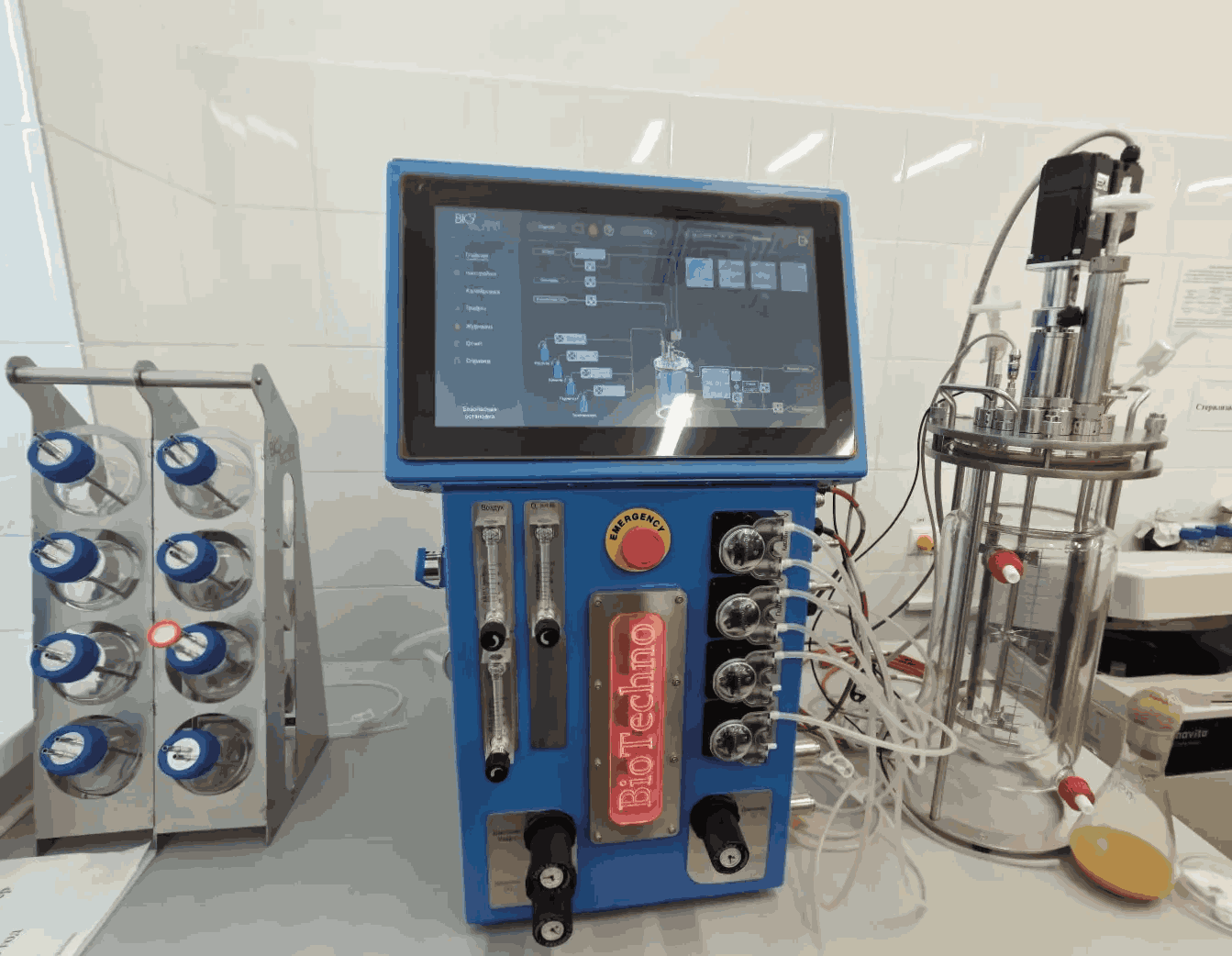
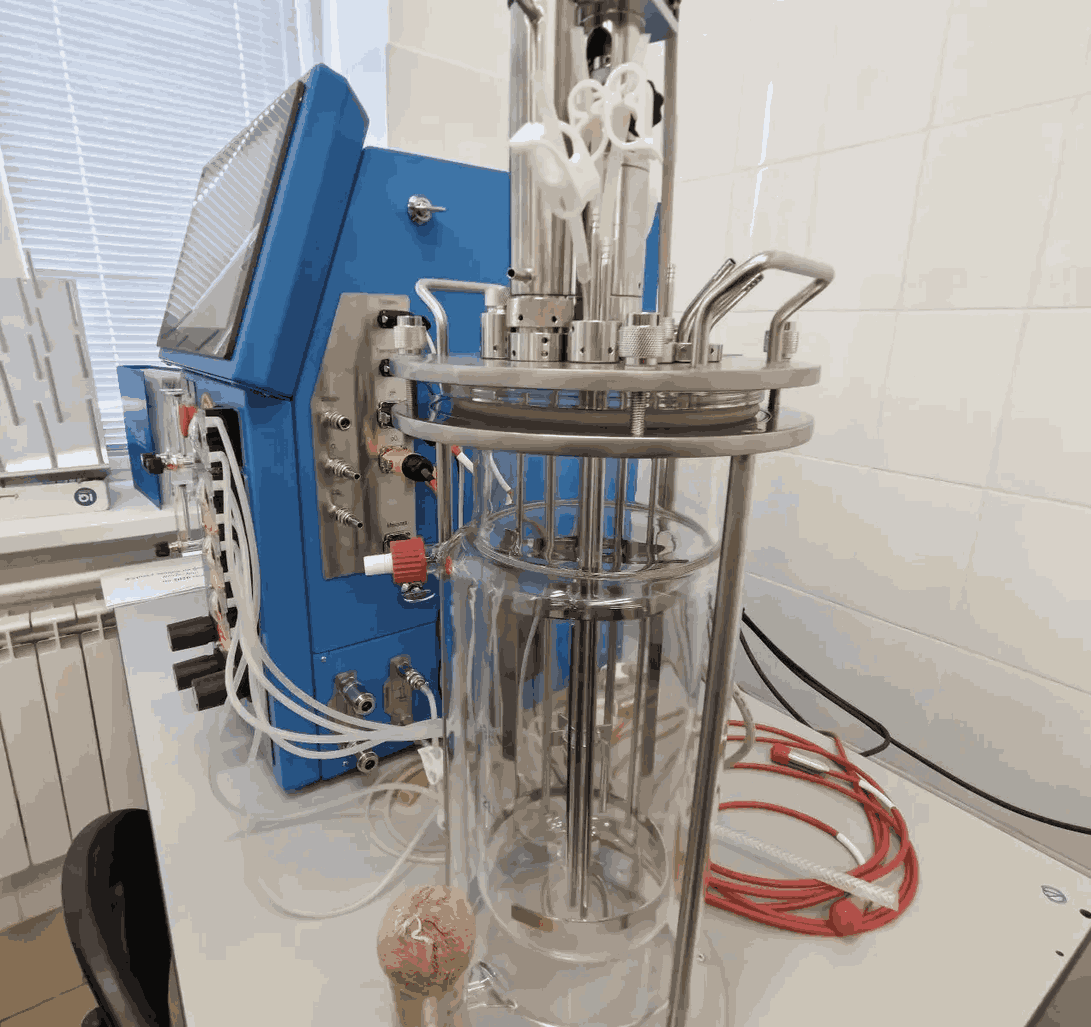
Currently, the technology has been developed at the laboratory level. In the future, scientists plan to adapt the polymer composition for use in 3D printing, as well as to study the mechanical properties of the material in more detail to implement the technology on an industrial scale.
The work was carried out with the support of the Russian Science Foundation and the Government of the Tula region.